Buffalo Nickel Value : I remember the first time I pulled a worn Buffalo Nickel from a handful of change at a flea market.
That striking profile of a Native American chief staring back at me felt like uncovering a piece of forgotten America.
These coins, minted over a century ago, still spark stories of adventure, artistry, and hidden treasures among collectors today.
Birth of an Iconic Design
James Earle Fraser crafted the Buffalo Nickel in 1913, drawing from his Midwest childhood surrounded by Native American culture and vast plains.
The obverse features a composite portrait blending three real chiefs—Iron Tail, Two Moons, and Big Tree—that Fraser knew personally, portraying them with raw dignity never before seen on U.S. coins.
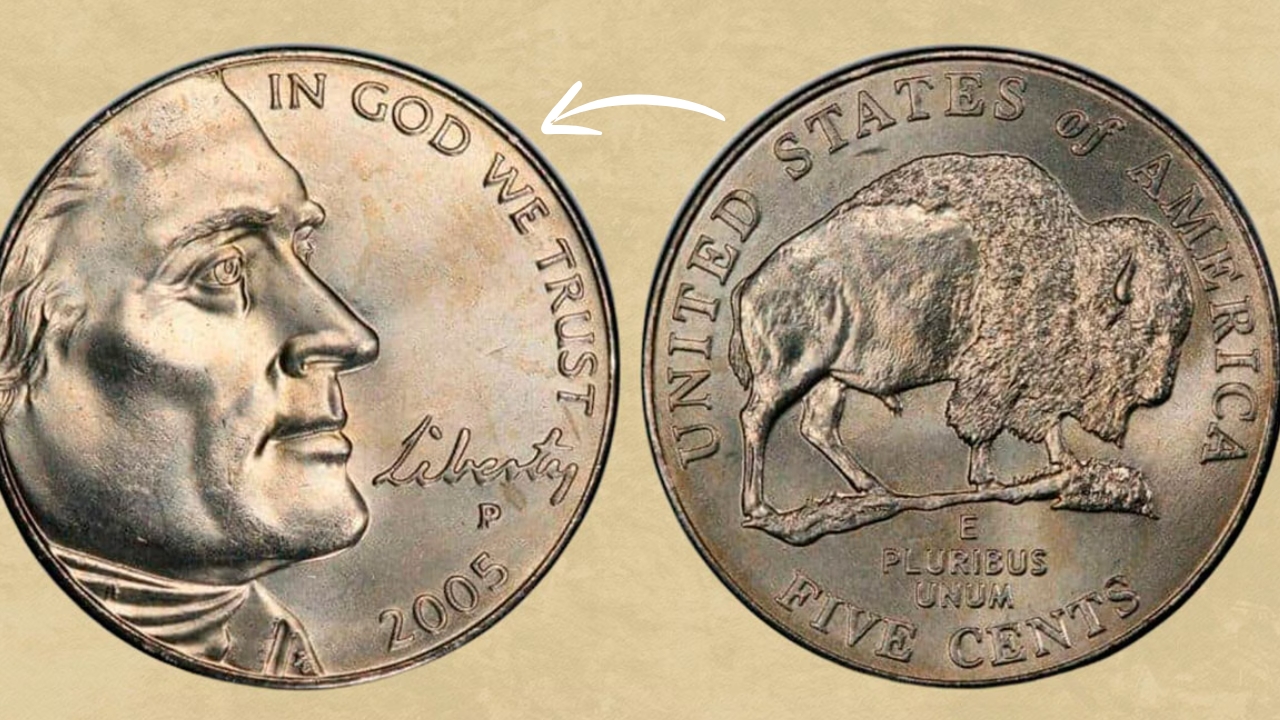
On the reverse, a bison modeled after Black Diamond from the Bronx Zoo stands proudly on a mound, symbolizing the fading frontier’s untamed power.
The design emerged during President Theodore Roosevelt’s push for beautiful, distinctly American coinage, replacing the outdated Liberty Head nickel.
Early Type 1 versions had “FIVE CENTS” on the mound, but rapid wear prompted a quick switch to Type 2, recessing the words for durability.
This bold artistry captured a nation industrializing fast, with World War I looming and the old West turning to memory.
Navigating Early Minting Hurdles
High-relief elements like the raised date caused headaches right away, with details vanishing after minimal circulation.
Mints in Philadelphia, Denver, and San Francisco tweaked dies constantly, leading to varied strike qualities—Denver often softer, San Francisco sharper at times.
By 1915, these adjustments stabilized the series, making it a bridge from artistic ambition to practical production.
Circulation wore coins relentlessly; dates faded first, turning everyday pocket change into mystery pieces.
Yet this wear adds character, each scratch whispering of saloon counters, farm stands, and factory paydays during America’s transformation.
Fraser’s vision endured, rejecting vending machine makers’ pleas for a tamer cheekbone and rim space.
Varieties That Captivate Hunters
Key dates like the 1913-S Type 2, 1926-S, and 1931-S draw die-hard fans due to low mintages and survival challenges.
Errors steal the show: the 1916 Doubled Die Obverse boasts dramatic doubling on the date and “LIBERTY,” while the 1918/7-D overdate reveals a clear “7” under the “8.”
Legends like the 1937-D Three-Legged Buffalo, with its mysteriously weakened leg, spark endless debate on die wear or polish mishaps.
Hunters scour estate jars and bank rolls, thrilled by subtle repunched mint marks or doubled reverses. These quirks turn ordinary finds into conversation starters at coin shows, where stories of “cherrypicking” from dealers flow freely. The series’ short run, skipping years like 1922 and Depression-era 1932-33, fuels the chase.
Tales from Circulation to Cabinets
Picture a 1915 nickel jingling in a soldier’s pocket en route to World War I trenches, or buying breadlines relief in the Great Depression.
These coins witnessed Model T Fords chugging along dirt roads, immigrants building cities, and kids trading them for comic books. Many vanished—melted, lost, or smoothed to skeletons—but survivors carry ghosts of those lives.
Post-1938, when Jefferson nickels took over, Buffalos faded into jars and attics. Mid-century collecting booms resurrected them, with families unearthing jarfuls linking generations.Today, they evoke nostalgia for a rawer America, their patina like aged leather from a frontier saddle.
Spotting the Real from Replicas
Fakes plague the market, with counterfeiters mimicking overdates or errors poorly. Check for soft details, unnatural wear, or magnetic pull—genuine 75% copper-25% nickel composition resists it. Compare against trusted images; pros use sound tests (a crisp ring) and weigh for authenticity.
Grading services like NGC or PCGS verify high-stakes pieces, examining strike, luster, and spots under magnification.
Educate via cherrypicker guides to dodge alterations, where shady flips turn common coins “rare.” Patience pays; a keen eye turns pocket change hunts into triumphs.
Buffalo Nickel Value Why They Still Stir Passion
Buffalo Nickels transcend metal—they’re time capsules of resilience, blending Native strength and bison might amid vanishing wilds.
Collectors chase not just completeness but connection, each coin a thread to Fraser’s authentic West. Modern revivals in bullion nod to their legacy, proving bold design outlasts trends.
Also Read This : 2 Bicentennial Quarters Coins value is $87 Million each – Still in Circulation
In a digital world, their tactile heft grounds us, sparking yarns at club meetings or online forums. Whether from YouTube hunts or family legacies, they remind us history hides in plain sight, waiting for curious hands.